The Significance of Honoring Parents in Modern Society
In today's fast-paced world, the importance of honoring parents often gets overshadowed by everyday distractions. However, this fundamental value continues to shape individuals and communities alike. Recognizing the sacrifices parents make and responding with appreciation is vital not just for personal growth, but also for family cohesion. Engaging with rokok88 allows individuals to explore the profound connections between familial respect and life satisfaction, emphasizing that honoring our parents nurtures a foundation of love and gratitude.
Understanding Cultural Values and Traditions
Across many cultures, filial piety is a core principle that dictates the relationship between parents and children. In societies where respect for elders is a cornerstone, children are taught from a young age about the importance of their parents' sacrifices. For instance, in Indonesian culture, the notion of "berbakti" resonates deeply, underscoring that acknowledging one's parents is not merely a duty but a pathway to communal harmony. As global cultures intermingle, understanding these cultural values remains pivotal in maintaining strong family relationships.
Psychological Benefits of Parent-Child Respect
Research indicates that children who respect and honor their parents often experience better mental health outcomes. A strong, respectful relationship fosters emotional intelligence and resilience, equipping children with the tools necessary to navigate life's challenges. Furthermore, these children report higher levels of life satisfaction, which can be attributed to the stability and security provided by respectful family dynamics.
How Respect Influences Family Dynamics
Respect within the family creates a safe space for open communication, thereby facilitating healthy discussions about important life choices. When children feel that their opinions are valued, they are more likely to express themselves freely, fostering deeper connections. Moreover, this respectful dialogue strengthens the parent-child bond, creating an environment where love and support flourish.
Ways to Show Appreciation to Parents
Simple Acts of Kindness and Gratitude
Expressing appreciation doesn't always require grand gestures. Small acts, such as preparing a meal, writing a heartfelt note, or simply spending quality time together, can significantly reinforce familial love. These gestures remind parents of their value and the lasting impact they have had on their children's lives.
Creating Memorable Family Experiences
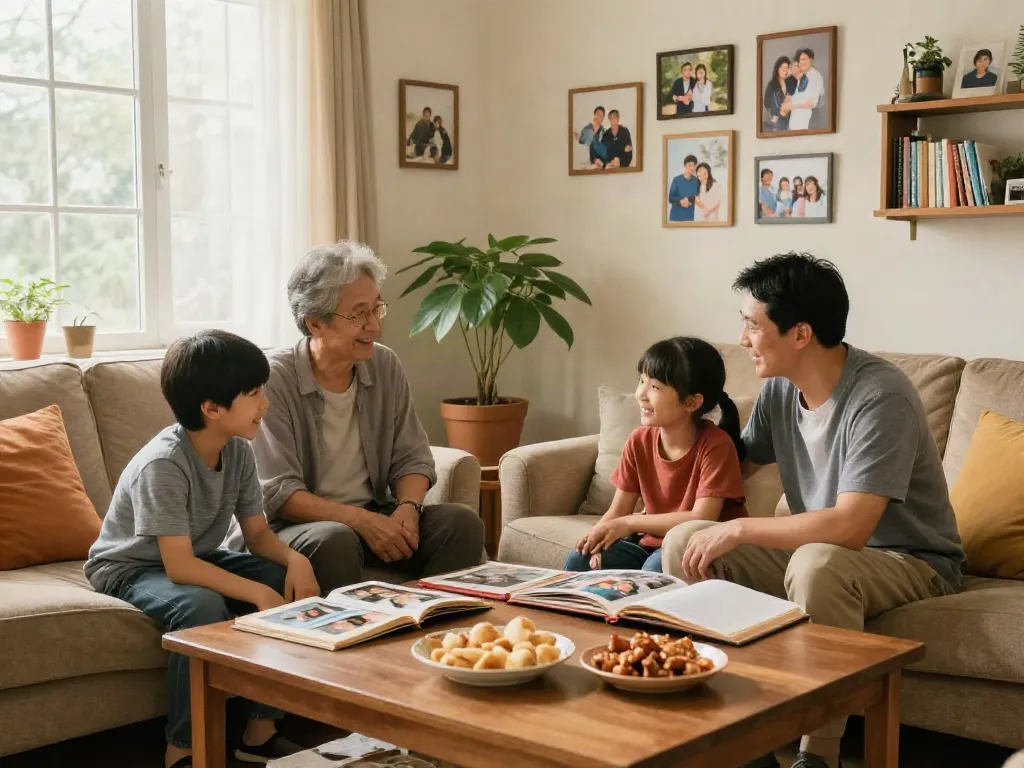
One effective way to honor parents is by creating shared memories. Organizing family trips, game nights, or even celebrating milestones together can enhance family bonds. These experiences not only provide joy but also serve as a reminder of the time and effort parents invest in nurturing their children.
Communicating Love Through Everyday Actions
Consistency is key when it comes to showing love. Regularly checking in with parents, actively listening to their stories, and being present during crucial moments conveys deep respect. These everyday actions contribute to a stronger familial connection, fostering an environment where everyone feels valued.
Common Barriers to Honoring Parents
Time Constraints in Busy Lifestyles
In an age dominated by busy schedules, many find themselves struggling to carve out time for family. Work commitments, social obligations, and personal ventures can interfere with the nurturing of familial relationships. Recognizing this constraint is the first step; prioritizing family time is essential for maintaining respect and honoring parents.
Misunderstandings Across Generations
As each generation evolves, so do their perspectives and values. Miscommunications can often arise, leading to frustration and resentment. Being mindful of these generational gaps is crucial; fostering dialogue about differing viewpoints can bridge these gaps and enhance mutual understanding.
Cultural Shifts Impacting Family Values
Modernization and globalization have shifted traditional family structures, often leading to a decline in respect for elders. As society evolves, it becomes increasingly important to emphasize the value of tradition and the role of parents in guiding future generations. Implementing educational initiatives that focus on familial respect can counteract these trends.
Building Stronger Family Bonds
Strategies for Effective Family Communication
Effective communication is the cornerstone of strong family relationships. Actively engaging in conversations, practicing empathy, and using constructive feedback can help families navigate conflicts and misunderstandings. Establishing a family meeting routine might also encourage open discussions, ensuring everyone feels heard.
Engaging in Meaningful Activities Together
Participating in activities that foster teamwork can significantly strengthen family bonds. Whether it's volunteering in the community, cooking together, or engaging in family sports, shared experiences create lasting memories and enhance the respect felt within family dynamics.
Establishing Traditions that Honor Parents
Creating family traditions centered around honoring parents can instill respect in younger generations. Celebrating specific days (like Parent's Day) or crafting rituals for significant family milestones reinforces the importance of familial connections and respect.
Future Trends in Family Respect and Values
The Role of Technology in Family Interactions
As technology becomes an integral part of daily life, it is essential to explore its role in fostering family respect. While digital platforms can sometimes detract from personal interactions, they can also facilitate communication. Virtual gatherings and online family groups can help maintain connections, especially for families separated by distance.
Predictions for Parental Roles in 2026
Looking forward, parental roles may evolve alongside changing societal norms. As more parents become involved in various familial roles, such as co-parenting and single parenting, the dynamics of respect may shift. Emphasizing adaptability and open-mindedness will be essential in navigating these changes.
Emerging Concepts of Family Dynamics
Future family structures may lean toward inclusivity, embracing a diverse definition of what family means. This concept can encourage respect across all familial relationships, reinforcing the idea that honor extends beyond the traditional parent-child dynamic.
What are the best ways to honor parents?
The best ways to honor parents include showing kindness, communicating openly, and creating meaningful experiences together. Simple acts of love and appreciation can go a long way in reinforcing familial respect.
How does honoring parents benefit children?
Honoring parents instills a sense of responsibility in children, promoting emotional intelligence, resilience, and a strong moral compass. This practice not only enriches their lives but also helps in cultivating respectful and compassionate future adults.
What are common misconceptions about family respect?
Some common misconceptions include the idea that respect must be earned or that it is a sign of weakness to honor one's parents. In reality, respect is a foundational value that fosters strong, supportive relationships.
What traditions can strengthen family bonds?
Family traditions such as yearly reunions, shared holiday customs, or simple weekly dinners can reinforce bonds among family members, strengthen respect, and create cherished memories.
How will technology influence familial relationships in the future?
Technology is likely to enhance familial relationships by facilitating communication, even across long distances. Virtual interactions can ensure that families stay connected, fostering an environment of respect, love, and understanding, despite physical separation.